The personality to be Liverpool manager has always been vital. The last two seasons have shown that winning now overrides that notion…
CAST YOUR mind back for me. Where were you on 24 May 2015?
What were you doing? How were you feeling? I was at a wedding, blissfully ignorant of the pandemonium unfolding at The Britannia Stadium. Not watching and not allowing myself to comprehend the reality of the numbers on the scoreboard.
The sobriety and graveness of the situation came to light the next morning. All the newlywed bliss had evaporated and mired into crisis. As if someone had decided not to forever hold their peace.
Stoke City 6-1 Liverpool was even worse than the scoreline had suggested. Brendan Rodgers’ side got legged by Charlie Adam and Jon Walters. The away end turned fully on Raheem Sterling, and Steven Gerrard was the subject of national ridicule once again on his final Liverpool appearance.
The Reds had finished seventh on 61 points, a place behind Everton in the table. On 2 June 2015, it was confirmed that Rodgers would remain in post following an end-of-season review with Tom Werner, which apparently yielded ‘a comprehensive plan for improvement’.
We know how this story unfolds. But think about this: how much clamour was there for Jürgen Klopp after Stoke away? How much vitriol was being aimed at Rodgers for Liverpool’s performances and the exit of a club legend? How many pelters was Ian Ayre getting?
I’m not advocating that the Northern Irishman should have been chased out of the club by a digital or in-person lynch mob. But it’s now fascinating to recall a time when there was an unspoken understanding that the managerial position would not be undermined unless absolutely necessary, or Roy Hodgson, as it’s otherwise known.
There has always been a general agreement at Liverpool that we wouldn’t publicly berate the manager or team unless on-pitch standards and messaging were substandard to the point of challenging our entire identity.
It’s reasonable to suggest those standards have slipped far beyond what we deem acceptable in 2025/26. Despite being on the back of a title winning season and record-breaking transfer summer Liverpool have regressed into an uninspiring, unfit and tactically inept outfit.
There is so much mitigation. They are dealing with an unprecedented loss of life. They are suffering with injuries. Miraculously they remain fourth in the table.
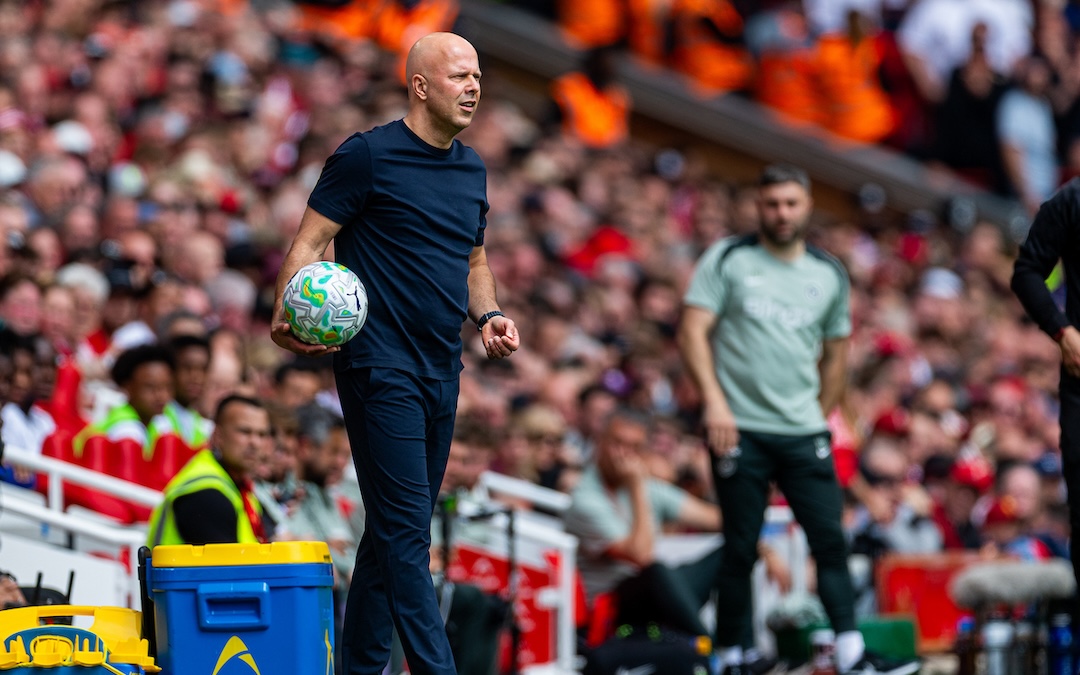
To many, however, Arne Slot has become public enemy number one. A figure of not just blame but hate. An inept charlatan who is the single leading cause of Liverpool’s demise.
I’m not sure I’ve seen levels of dislike towards a manager like this, and I include Hodgson in that.
Rafa Benitez divided supporters, but his acolytes were just as entrenched as his detractors between 2006 and 2009. Kenny Dalglish was rightly untouchable in the toxic criticism sense, but the silent judgement towards his tenure at the end of 2011-12 spoke volumes for everyone at the club.
For an entire generation now, the outlier will be Klopp, who ultimately went beyond his job description and created a human connection far beyond the capabilities of any manager on the planet.
Think of it this way, if the German had managed Liverpool prior to Rodgers, would the former Swansea coach have been given the opportunity to take Liverpool into a near title success in 2013-14?
Slot followed Klopp with aplomb for 12 months, displaying a calm honesty and transparency whilst delivering results and the ultimate Holy Grail.
Whether you believe that, Slot deserves to be in the role or not, what isn’t in question is that something has shifted in the collective supporter base about how we’re communicating frustrations and satisfaction levels.
Whether it’s an internet comment thread or stadium reaction, the dial has ramped up significantly. This is, of course, a sign of the times. Content is everywhere and engagement usually stems from the more opinionated sources.
There is also a question of what Liverpool supporters want from a manager. Slot has been accused of everything from not being a good coach to not being committed to the role, with his family still based in the Netherlands.
If we want another Klopp, we’ll inevitably end up disappointed. We want someone who wins, first and foremost. Slot is living proof that characteristics won’t be scrutinised if you’re delivering on the pitch.
From 1995 to 2015, patience was in rich supply at Liverpool. There was a will to go on a journey with the right man. They found him. The journey was so incredibly joyous, heartbreaking and real that we couldn’t replicate it if we tried.
Nobody told us what to do once that journey was concluded. Where to base expectancy levels or how patient we’d need to be with the next guy. Rodgers’ reprieve after Stoke now seems ludicrous by modern day standards.
The looming spectre of Xabi Alonso and Chelsea’s desire to hire him now adds an element of urgency to the situation. Talk of Alonso holding out for Liverpool does suggest that there’s potentially something to hold out for. Yet Slot remains adamant that he will lead the club into 2026-27.
With Alonso comes a notion of implied unity given his former player status. His pedigree from Bayer Leverkusen speaks for itself and that is also alluring, but there’s a sense that Alonso would unite supporters and that is what’s needed more than ever.
I’m not sure any of this becomes harmoniously unified anytime soon. For years, there have been those following Liverpool who’ve pointed to a lack of transfer outlay as the reason more wasn’t achieved. This season, that argument can no longer be viewed as valid. There was an expectancy which has been severely underdelivered.
Slot must take huge responsibility for this. How that dissatisfaction has been shown is what’s most intriguing.
Whatever the outcome, one thing is now abundantly clear; the external perception of how supporters view and treat the Liverpool manager has changed – and not entirely for the better.